
\
Losing someone you love is never easy, and decisions about what to do with their cremated remains — often called "cremains" or ashes — can feel overwhelming. The good news is that there are more options than ever, ranging from the traditional to the truly unique. Whatever path you choose, the goal is the same: to honor a life in a way that feels right for your family.
First, let’s talk briefly about cremation options. Both options leave the family with “cremains” which are the processed bone fragments that remain after cremation.
They typically weigh between 3 and 9 pounds and have a grayish-white, sandy texture. Many families receive them in a temporary container from the funeral home, giving them time to decide what comes next — and there's no rush.
Flame Cremation vs. Water Cremation
Before deciding what to do with ashes, many families are now also choosing how the body is cremated. There are two primary methods.
Flame Cremation (Traditional)
Flame cremation — the method most people are familiar with — uses high heat (typically 1,400–1,800°F) inside a cremation chamber to reduce the body to bone fragments over two to three hours. The fragments are then processed into the fine, sandy remains we call ashes or cremains. It has been practiced for thousands of years and remains the most widely available option.
Water Cremation (Alkaline Hydrolysis)
Also called aquamation or green cremation, water cremation uses a combination of warm water and an alkaline solution (potassium hydroxide) to gently dissolve the body over several hours. The result is a similar amount of bone material, often described as silkier and whiter than flame cremation ashes. The process uses significantly less energy than flame cremation and produces no direct carbon emissions, making it increasingly popular among environmentally conscious families. It is currently legal in roughly 25 U.S. states and a growing number of countries.
Key differences at a glance:
Flame Cremation Water Cremation
Process High heat (1,800°F) Warm water + alkaline solution
Duration 2–3 hours 4–8 hours
Remains Gray, sandy ashes White, silky ashes
Environmental impact Higher carbon footprint ~90% lower energy use
Availability Widely available ~25 U.S. states
Cost $700–$3,000+ Comparable or slightly higher
Now, what are we going to do with the cremains?
Traditional Options: Time-honored choices
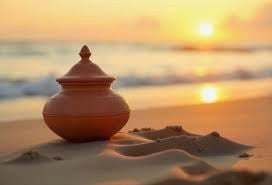
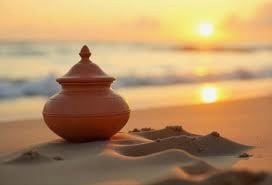
Keeping Ashes in an Urn at Home
Many families find deep comfort in keeping their loved one close. Urns come in virtually every material and style — hand-thrown ceramic, polished hardwood, hand-blown glass, hammered bronze, custom-engraved stone, and far more. Some families display the urn prominently; others tuck it in a private, meaningful spot. Keeping ashes at home has no legal restrictions in the United States and is common in many cultures around the world. This keeps your loved one close and can bring comfort over time.
Bury Them
Cremains can be buried in a traditional cemetery plot (which is much less space than a full burial), a columbarium niche, or a private family plot on personal property where laws permit.
Many families choose burial because it provides a fixed, physical place to visit and grieve. Some cemeteries also offer "companion urns" for couples, allowing two sets of ashes to be buried together.
Entombment in a Columbarium
A columbarium is a structure — often found in cemeteries or churches — containing individual niches designed to hold urns. The niche is sealed after placement, and families can visit, leave flowers, and gather there. Columbariums range from simple outdoor walls to elaborate, cathedral-like indoor spaces. Some are even incorporated into mausoleums alongside traditional burials.
Scatter Them
Scattering is one of the most personal and ceremonially rich options available, and it divides naturally into two worlds: land and water. Many families choose a location that held meaning during the person's life — a mountain they climbed, a river they fished, a beach they returned to every summer.
Scattering on Land
Land scattering can take place almost anywhere that carries significance — a favorite hiking trail, a wildflower meadow, a mountain top, a family farm, a beloved garden, or the grounds of a meaningful place. The ashes can be released all at once in a single ceremony or scattered gradually in multiple locations over time. Some families choose to scatter in a memorial tree garden or dedicated scattering garden — maintained green spaces specifically designed for this purpose, often with pathways, benches, and plantings that make them peaceful places to return to.
Scatterings can involve a simple ceremony with readings or music; or you may prefer a quiet, private moment.
Regulations vary depending on where you are. On private property, you generally need only the landowner's permission. National and state parks typically require a permit, though many grant them readily and quietly. Some cities and municipalities have specific rules about public spaces, so it's worth a quick check before choosing an urban location. Ashes are chemically inert and pose no environmental hazard, which makes the permitting process straightforward in most cases.
Check local regulations before scattering on public land, as rules vary by location
Scattering on Water
Water scattering carries a particular sense of release and movement — the idea that the person you love will travel onward, carried by current and tide. There are several distinct water environments to consider, each with its own character and its own practical considerations.
The Ocean
Ocean scattering is the most common form of water burial. Maritime scattering has long been a meaningful rite, particularly for those who loved the ocean In the United States, the EPA's Marine Protection, Research, and Sanctuaries Act requires that scattering take place at least three nautical miles from shore. Many funeral homes and boat charter companies offer dedicated scattering services, often including a brief ceremony, a moment of reflection, and a commemorative certificate recording the GPS coordinates of the site. For families who want a more private experience, some charters allow you to bring your own officiant, music, or ritual. Biodegradable urns designed for ocean placement are also available — they float briefly before slowly sinking and dissolving, releasing the ashes gently beneath the surface.
Lakes
For those whose lives were shaped by freshwater rather than the sea — a lake house, summers on the water, childhood fishing trips — a lake scattering can be deeply fitting. Regulations vary by state and by whether the lake is federally or locally managed. Many lakes on public land require a permit; private lakes need only the landowner's consent. The calm contained nature of a lake makes for an intimate ceremony, and the reflection of sky on still water lends the moment a quiet, contemplative beauty.
Rivers
Rivers offer something different again — a sense of journey, of moving forward, of water that has somewhere to go. Scattering on a river can feel especially meaningful for someone who was always in motion, who loved fly fishing, kayaking, or simply the sound of moving water. Regulations follow a similar pattern to lakes: federally managed rivers typically require a permit, while private stretches need only permission. It's worth checking with your state's environmental or parks agency for guidance on the specific river you have in mind.
Wind Scattering Services
For those who cannot travel to a meaningful location, professional wind scattering services will scatter ashes from a mountaintop, aircraft, or scenic location on your behalf. Some services include a live video stream of the ceremony and a certificate of the location. It allows families across the country — or the world — to share in the moment simultaneously.
A Note on Shared Ceremonies
For families spread across the country or around the world, water scattering doesn't have to be experienced alone. Professional wind and water scattering services can conduct the ceremony on your behalf at a chosen location while streaming it live so distant family members can witness it in real time. A certificate of coordinates is typically provided afterward, giving the family a permanent record of exactly where their loved one was laid to rest.
Environmentally Friendly Options
For those who want their loved one's final chapter to give something back to the earth, this growing category offers beautiful, sustainable choices.
Biodegradable Urns
A new generation of urns is designed to return gently to the earth or sea. Companies like Stardust Memorials make from materials like recycled paper, compressed salt, cornstarch, or woven bamboo, these urns dissolve naturally after burial. They are often used in green or natural burial cemeteries, which prohibit conventional concrete or metal containers. Some containers like turtle urns or pillows can be a nice option for water burials. They are designed to float briefly before slowly sinking and dissolving. The ashes are released gradually as the urn descends, creating a natural dispersal beneath the surface.
Tree Burial Urns
Companies like The Living Urn combine a biodegradable urn with a young tree sapling and a special growth mixture. The ashes are placed in the bio urn, the tree is planted on top, and over time it draws nutrients from the urn as it decomposes. The result is a living memorial that grows and changes with the seasons — a maple, oak, cherry, or whatever tree held meaning for the person being remembered.
Tree Memorial Gardens
Dedicated memorial groves and tree gardens are emerging as an alternative to traditional cemeteries. Families purchase a tree within a protected forest or garden, and ashes are incorporated into the soil around its base. The grove is maintained in perpetuity, giving families a living, breathing place to visit as the forest grows and matures.
Coral Reef Memorials
For ocean lovers, Eternal Reefs mixes cremains into a concrete reef ball — a large, textured sphere designed to replicate natural reef habitat. The reef ball is lowered to the ocean floor at a permitted reef site off the U.S. coast, where it becomes a permanent part of a living ecosystem. Families can attend the casting and placement, and a GPS coordinate is provided so they can dive or boat to the exact location. It is one of the most powerful ways to give back to the sea and a beautiful choice for ocean lovers and environmentalists.
Ornamental and Artistic Options
For those who want to carry their loved one with them — or commission something truly beautiful — the options in this space have expanded dramatically.
Memorial Jewelry
Companies can compress cremains into wearable gems — diamonds, glass beads, or resin pendants. These allow family members to each carry a small piece of their loved one with them always.
Memorial Diamonds
Companies like Eterneva and Heart in Diamond use high pressure and extreme heat to transform carbon extracted from cremains into a genuine lab-grown diamond. The process takes several months. Families can choose the carat, cut, and color — blue, yellow, green, or colorless — and have it set into a ring, pendant, or bracelet. It is one of the most enduring forms a memorial can take.
Beyond diamonds, cremains can be incorporated into a wide range of wearable pieces. Resin-set pendants capture ashes in glass or acrylic, suspended in color. Sterling silver or gold lockets hold a small amount inside. Fingerprint jewelry can combine a pressed fingerprint with a pinch of ash. Bracelets made from threaded glass beads incorporate ash into each bead. These smaller, more affordable pieces are often shared among family members, so everyone carries a piece of their person
Blown Glass
Glass artists can incorporate cremains into hand-blown glass orbs, vases, paperweights, and sculptures. The ashes become part of the molten glass, creating unique swirls of color and texture within the piece. No two are identical. Studios like Artful Ashes specialize in this work, and some allow families to observe the blowing process as part of a memorial experience.
Glass Marbles
Smaller and more affordable than full glass sculptures, memorial marbles are a beloved option — especially for families with children. A handful of marbles, each containing a trace of ash, can be shared among grandchildren, siblings, or friends as a tangible, tactile token to keep in a pocket or on a windowsill. Look for companies like Spirit Pieces.
Pottery and Ceramics
Similar to glass, cremains can be worked into the clay or glaze of handmade pottery — a bowl, a mug, a vase — fired in a kiln and finished as a functional or purely decorative object. Some ceramicists specialize in memorial work and create deeply considered, custom pieces. Conscious Clay is one such business.
Memorial Figurines: Sculpted in Their Honor
One of the most intimate and artistic ways to memorialize a loved one is to have their cremains transformed into a handcrafted figurine — a tangible, three-dimensional object that captures something essential about who they were.
Artists and specialty studios around the world now work with families to create custom sculptures using a resin, ceramic, or clay medium infused with cremains. The ashes become part of the material itself, woven into the object rather than simply contained by it.
Songbirds and Favorite Animals
For many people, a particular animal held deep meaning — a beloved pet, a spirit animal, a creature they watched from their garden window every morning. Memorial sculptors can craft remarkably lifelike songbirds, cardinals, hummingbirds, butterflies, dogs, cats, horses, sea turtles, and more, with cremains mixed into the casting medium. Cardinals have become a widely recognized symbol of a loved one's continuing presence, and memorial cardinal figurines are among the most requested pieces.
These sculptures can be finished in naturalistic painted detail or left in a softer, monochromatic finish that lets the material itself speak. Some artists fire cremain-infused clay in a kiln, creating a ceramic piece that will last for generations.
Hands
A cast of a person's hand — or two hands clasped together, as a couple's — is one of the most emotionally resonant options in this space. Some studios specialize in life-cast reproductions made directly from a mold (often taken before death), while others work from photographs to sculpt a representation by hand. Either way, cremains are blended into the casting resin or clay, so the piece is literally made of the person. Families often describe holding the finished sculpture as an experience unlike any other — as close as they can get to holding that hand again.
A Likeness of the Person
Portrait sculpture — creating a figurine in the image of the person themselves — is among the most ambitious and personal of all memorial art forms. Skilled sculptors work from photographs to craft a miniature bust or full figure, with cremains incorporated into the medium. The results range from naturalistic likenesses to more stylized or impressionistic pieces, depending on the artist and the family's wishes. Some studios even offer full-figure figurines in a style reminiscent of a cherished hobby or role — a fisherman, a dancer, a soldier, a gardener — rendered in loving, specific detail.
Living Stones and Garden Stones
Memorial stones made with a mixture of cremains and concrete or resin can be placed in a garden, under a tree, or along a favorite path. Some are simple and smooth; others are carved with names, dates, or words. They weather naturally over time, becoming part of the landscape.
Vinyl Records
For music lovers, companies like And Vinyly will press cremains into a playable vinyl record. You can include a favorite song, a recorded message, or simply let the ashes create their own ambient sound in the grooves. It is a genuinely playable record — both a keepsake and a conversation piece.
Alternative Options
For those whose loved one had a big personality — or who want a send-off that defies convention — these choices are as unique as the people they honor.
Memorial Fireworks
Several companies will incorporate cremains into professional-grade fireworks shells that are launched in a private display. Families gather to watch the sky light up in honor of their person. It is a joyful, spectacular send-off particularly fitting for someone who loved a celebration. Companies like Heavens Above Fireworks and Tulip Cremation specialize in this service.
Memorial Tattoos
A small amount of cremains can be mixed into tattoo ink, allowing a loved one to become literally a part of someone's skin. The practice requires care — working with a reputable artist who understands the process is essential — but when done well, it results in a deeply intimate memorial that is always present. It's become increasingly common among tattoo communities.
Ammunition
For outdoorspeople, hunters, and military families, companies like Holy Smoke will load cremains into live ammunition — shotgun shells, rifle cartridges, or pistol rounds. The family can then take a final hunt, a round at the range, or a symbolic shot in honor of their person. It is niche, deeply personal, and resonant for the right family.
Go to outer space
Cremains can be sent to space — from a brief suborbital launch to permanent placement in Earth's orbit or even the moon — through companies like Celestis and Elysium Space. Prices range from a few hundred to several thousand dollars.
A Few Practical Reminders
You don't have to choose just one option. Cremains can be divided — a portion buried, a portion set into a diamond, a portion scattered at sea. There is no rule that says the ashes must all go to the same place.
There is also no urgency. Many families keep ashes for months or years before feeling ready to decide. Grief unfolds on its own timeline.
Finally, local regulations matter. Scattering in public spaces, national parks, and waterways is governed by varying laws. When in doubt, check with a local funeral director or the relevant land management authority.
Consider everyone. If multiple family members are involved, talk it through. What feels right to one person may not to another — and that's okay.
Whatever path you choose, it is the right one — because the love behind the decision is what makes it meaningful.
https://earthfuneral.com https://www.spiritpieces.com
https://www.thelivingurn.com https://consciousclay.com.
https://www.stardust-memorials.com https://www.andvinyly.com
https://www.eternalreefs.com https://heavenlystarsfireworks.com
https://www.eterneva.com https://www.tulipcremation.com
https://www.eterneva.com http://www.myholysmoke.com
https://forever.heart-in-diamond.com https://pages.celestis.com
https://artfulashes.com https://elysiumspace.com
While the ideas, research, and voice in this post are entirely my own, I utilized Claude to assist with drafting and editing.